

From Tweed to Tech: How Horse Show Fashion Has Evolved Over 100 Years
Walk into any horse show today, and you'll see riders in sleek, stretchy, high-tech fabrics.
Breathable jackets. Moisture-wicking breeches. Lightweight helmets.
But it wasn't always this way.
A hundred years ago, riders wore tweed coats, heavy wool breeches, and stiff leather boots. They rode in the same clothes they'd wear to hunt—because that's what showing was.
The evolution of horse show fashion tells a story about our sport, our values, and how we've changed.
Chapter 1: The Early Days (1900–1920)
| What They Wore | Why |
|---|---|
| Heavy tweed or wool coats | Warmth and durability |
| Wool or cotton breeches | The only option available |
| Tall leather boots | Protection and tradition |
| Bowler hats or top hats | Formal headwear |
| Stock ties or cravats | Traditional neckwear |
In the early 1900s, horse shows were extensions of the hunting field. Riders wore what they'd wear to hunt—heavy, practical, but formal.
There was no "show clothing." There was just riding clothing.
Chapter 2: The Rise of Formality (1920–1960)
| What They Wore | Why |
|---|---|
| Black or navy coats | More formal than tweed |
| White breeches | Became the standard for dressage and hunters |
| Polished black boots | Required for formal showing |
| Hard hats with harnesses | Early safety attempts |
| White gloves | Required in many classes |
By the mid-20th century, horse shows had become formal events. White breeches became the standard. Coats were dark and tailored. Gloves were expected.
Showing wasn't just about riding anymore—it was about presentation.
Chapter 3: The Performance Era (1960–1990)
| What They Wore | Why |
|---|---|
| Synthetic fabrics | Lighter, more comfortable |
| Stretch breeches | Better movement |
| Zippered tall boots | Easier to put on |
| Velcro closures | Convenience |
| Bright colors | Individual expression |
The 1960s and 70s brought new materials. Synthetic fabrics. Stretch. Zippers.
Riders started prioritizing performance over tradition. Clothes had to move with the rider—not just look good.
Chapter 4: The Tech Revolution (1990–2010)
| What They Wore | Why |
|---|---|
| Technical fabrics | Moisture-wicking, breathable |
| Silicone grip breeches | Better seat security |
| ASTM-certified helmets | Safety became standard |
| Lightweight show coats | Comfort in hot weather |
| Sun-protective clothing | Health awareness |
The 1990s and 2000s brought the tech revolution. Fabrics that breathed. Silicone that gripped. Helmets that met safety standards.
Riders demanded clothing that worked with them—not against them.
Chapter 5: Today (2010–Present)
| What They Wore | Why |
|---|---|
| Stretch technical fabrics | Ultimate comfort and movement |
| Low-profile safety helmets | Style meets safety |
| Athleisure-inspired designs | Barn-to-street versatility |
| Sustainable materials | Environmental awareness |
| Inclusive sizing | Body positivity |
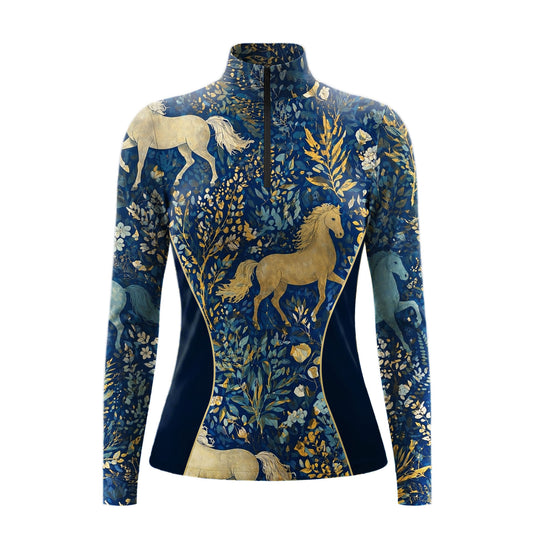
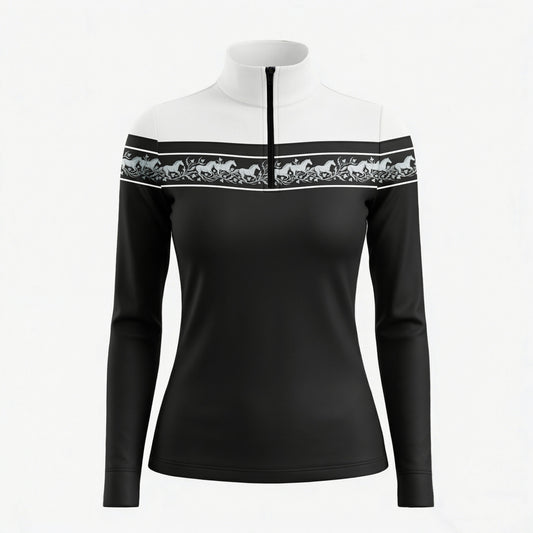
Today's horse show fashion is a blend of all that came before. Tradition meets technology. Safety meets style. Performance meets sustainability.
And for the first time, riders have choices that work for them.
Chapter 6: What the Changes Tell Us About Our Culture
| Era | What It Says About Us |
|---|---|
| 1900–1920 | Practicality, tradition, hunting roots |
| 1920–1960 | Formality, status, presentation |
| 1960–1990 | Performance, convenience, individuality |
| 1990–2010 | Health, safety, technology |
| 2010–present | Sustainability, inclusivity, versatility |
Chapter 7: What's Next?
The future of horse show fashion is already emerging:
-
Smart fabrics that monitor body temperature
-
Biodegradable materials for sustainability
-
Custom 3D-printed boots for perfect fit
-
Helmets with integrated communication systems
-
Recycled fabrics that perform like new
Chapter 8: Why Tradition Still Matters
Despite all the changes, some things remain:
-
White breeches still dominate dressage
-
Black coats are still standard in hunters
-
Tall boots are still required in most disciplines
-
Stock ties are still worn in some classes
Tradition matters. It connects us to our history. It gives the sport its identity.
But evolution matters too. It keeps the sport relevant, accessible, and safe.
The best horse show fashion honors both.
Final Thought
The rider of 1920 wouldn't recognize the rider of 2026.
Different fabrics. Different fits. Different priorities.
But the heart of showing remains the same: the partnership between horse and rider.
Fashion may change. But the bond never does.