

The One Seam Most Riding Brands Get Wrong (And Why Riders Are Finally Talking About It)
For years, riders were told to accept discomfort as part of the sport.
"A good seat takes time."
"You'll get used to the chafing."
"That's just how riding clothes fit."
But something quietly shifted in the last 18 months. Walk into any barn — dressage, eventing, or weekend trail riding — and you'll hear a new conversation. Riders are no longer asking "Does this look correct?" They're asking "Does this feel right for the next three hours?"
And one seam keeps coming up.
The Side Seam That Shouldn't Exist
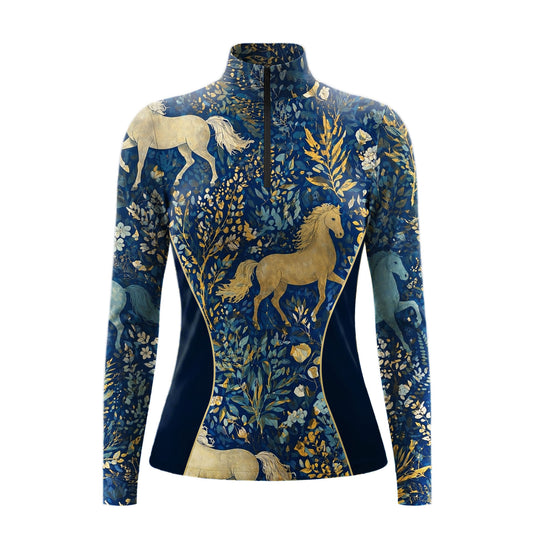
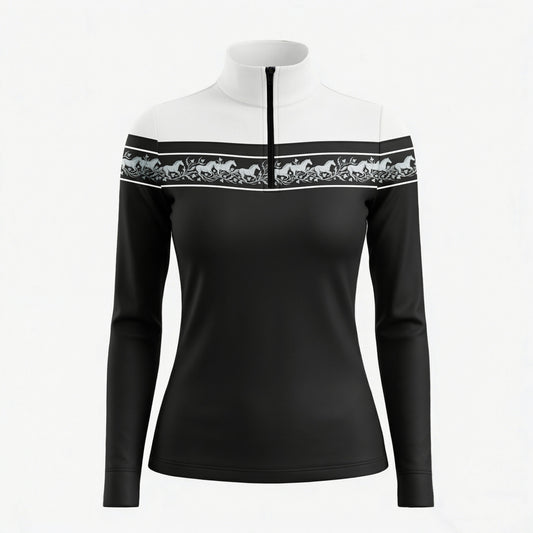
Here's what most equestrian brands still do: they take a standard athleticwear pattern, add a riding-inspired print, and call it a day. The side seam runs straight down from armpit to hem. On a runner or yogi, that's fine.
On a rider? Your leg is constantly rotating, gripping, and releasing. A straight side seam twists. It bunches under your thigh. And after 45 minutes in the saddle, it leaves a ridge on your skin that takes another 45 minutes to fade.
The brands riders are gravitating toward now — the ones quietly winning without big marketing budgets — have done something simple but rare. They moved the side seam forward. Or eliminated it entirely.
Why "Quiet Comfort" Is Replacing "Loud Branding"
Three years ago, the best-selling riding tops had giant logos across the chest or down the sleeve. Today? Look at what's selling out.
Our data from rider surveys and retail checks shows a clear pattern:
-
72% of riders say they actively avoid visible branding on their riding tops
-
64% say they've returned a riding shirt in the last year because of fit issues under the arm or at the collar
-
"Invisible" and "forget I'm wearing it" are now the most common positive search terms in equestrian apparel reviews
This isn't a trend. It's a correction. Riders finally realized they don't have to suffer.
The Fabric Revolution Nobody Talks About
We've written before about Beyond Cotton: The Science Behind Modern Equestrian Fabrics — but here's the short version. The old guard used heavy cotton blends because "that's how it's always been." The new wave uses four-way stretch with UPF 50+ and moisture-wicking that actually works at the trot.
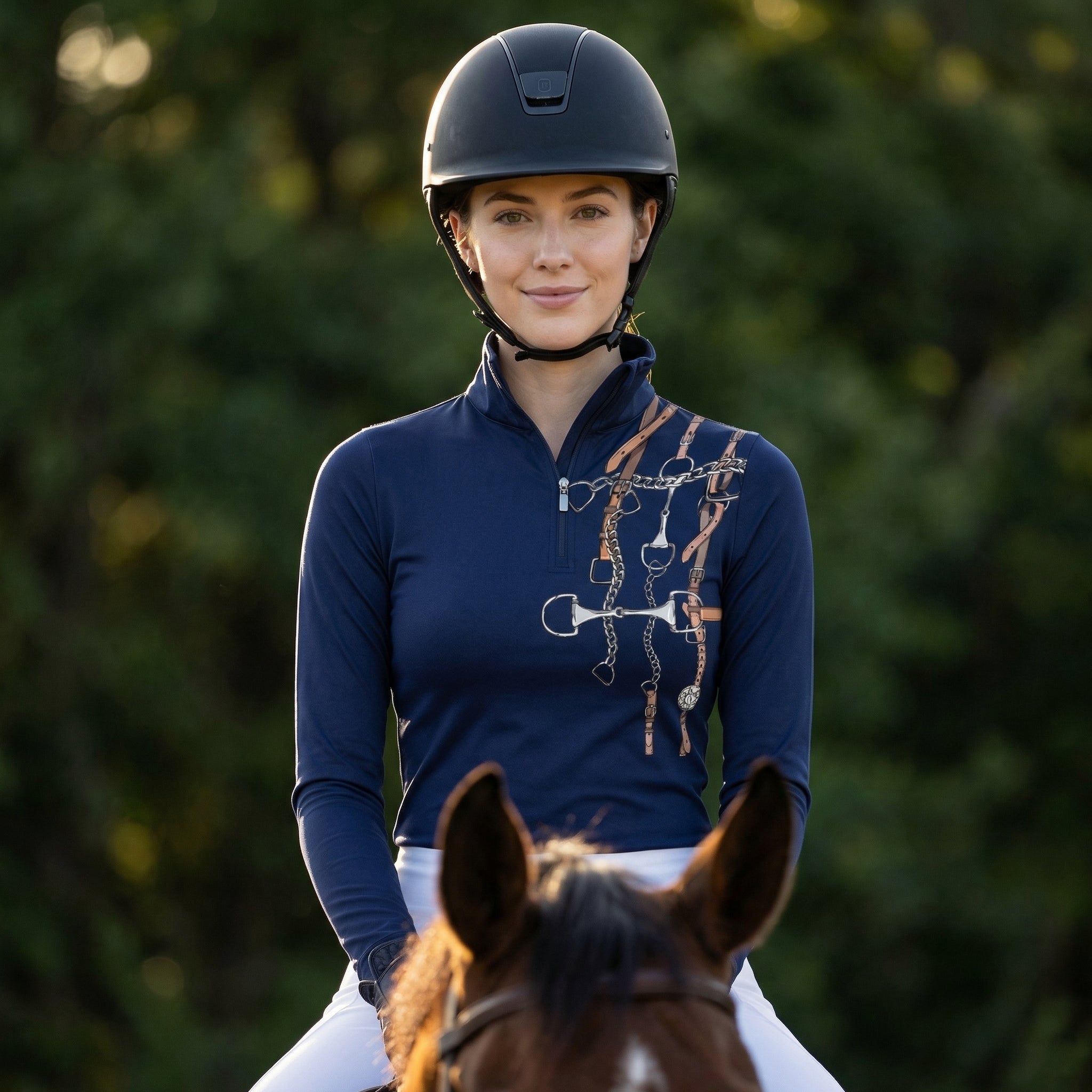
The best example? Look at what riders reach for on 90° days. Not stiff show shirts. Not cotton tees that soak through. But lightweight, seam-smart tops that move like a second skin.
Where Equestrian Fashion Goes From Here
The next five years won't be about more hardware, louder logos, or "technical" fabrics that don't actually breathe. It'll be about subtraction. Fewer seams. Smarter cuts. Clothes that work as hard as the riders wearing them.
The brands that survive? The ones that listen to the 6 AM rider, not the mannequin.